
How the Seasons Affect Your Sewer and Drains in Peoria, IL
Short answer: Central Illinois weather puts different stress on your sewer line each season. Spring rain can overload sewers and cause basement backups. Summer growth drives tree roots into pipes. Fall leaves and holiday cooking add debris and grease. Winter freeze-thaw cycles stress older pipes and exposed plumbing. A seasonal checklist and one well-timed professional cleaning can prevent most emergencies.
At A&B Hunter Sewer Service, we’ve been clearing lines across Peoria, Pekin, East Peoria, and Morton since 1957, and we see the same patterns every year. Here’s what to expect and what to do about it.
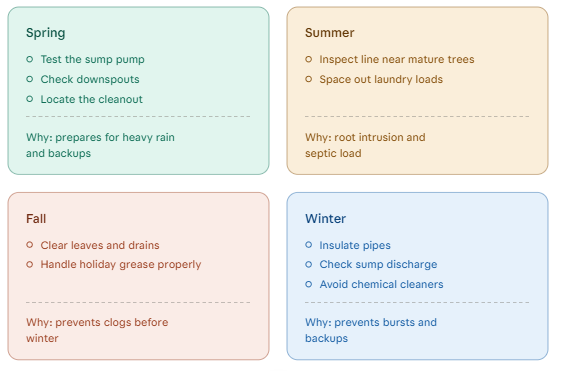
Spring: Heavy Rain and Basement Backups (March–May)
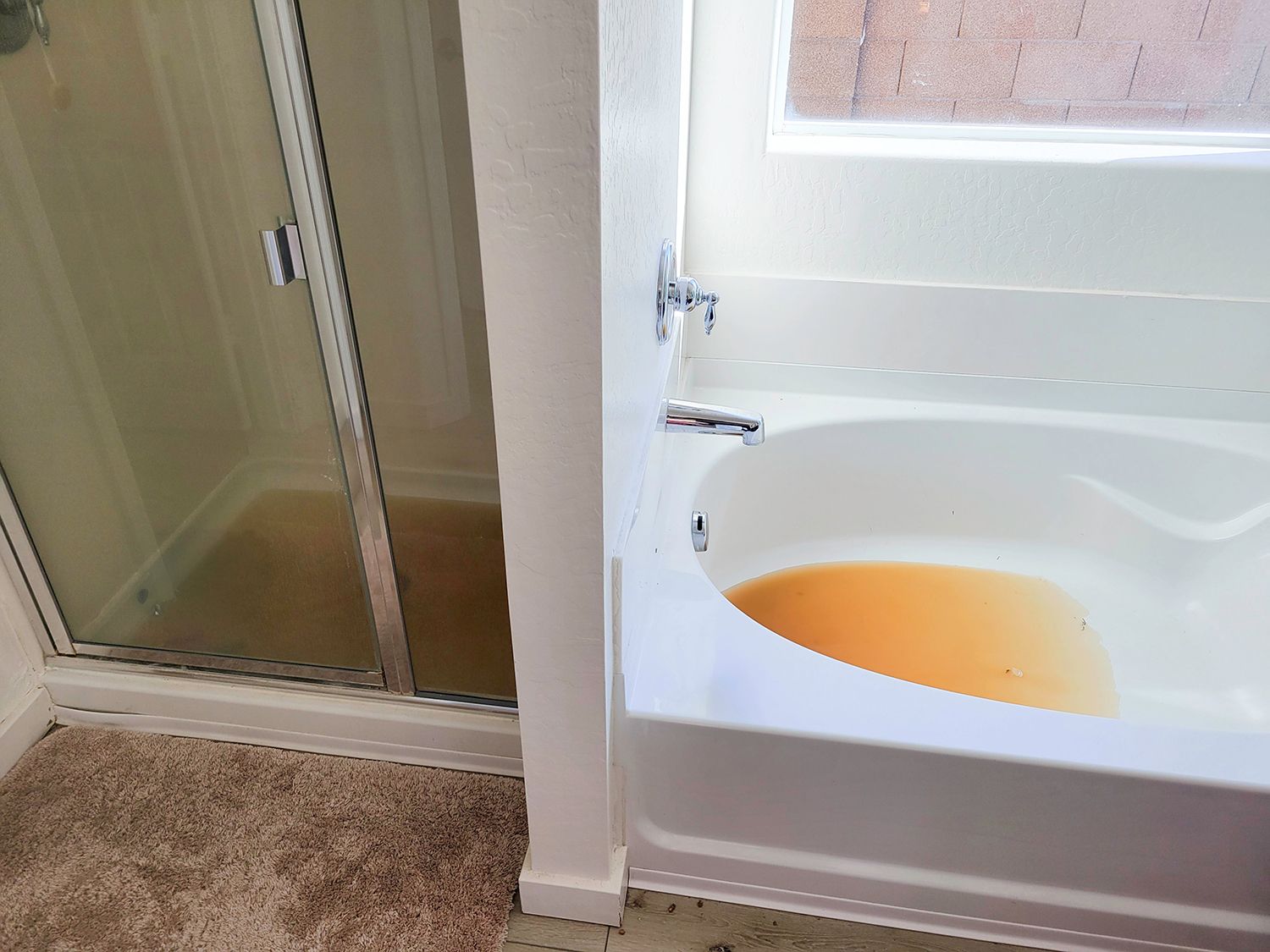
Spring in Peoria means saturated ground and strong storms. When the soil is full of water and the sewer system takes in more flow than usual, some homes see wastewater come up through basement floor drains, showers, or toilets.
What’s happening
- Heavy rain increases flow in the public sewer system, which can push back into lower-level drains
- Saturated soil leaks groundwater into cracked or deteriorated older lines
- A line partly blocked by roots or grease is much more likely to back up under that extra load
What to do
- Test your sump pump before the rainy season by pouring a bucket of water into the pit and confirming it kicks on and discharges away from the house
- Check where your downspouts and sump discharge go. Roof and foundation water shouldn’t be connected to the sanitary sewer
- Keep floor drains clear and know where your main cleanout is
- Ask about a backwater valve if you’ve backed up during storms before
Who’s responsible in Peoria? The Greater Peoria Sanitary District maintains the public sewer mains in the city, and the homeowner is responsible for the private line from the house to the main. GPSD will inspect the public sewer serving your property at no cost, which tells you which side the problem is on. The City of Peoria has also offered programs to help qualifying homeowners with backup prevention, so ask before paying for a valve out of pocket.
Summer: Roots on the Hunt for Water (June–August)
Trees and shrubs grow fastest in summer, and roots look for moisture and nutrients. A sewer line, even one with a tiny crack or loose joint, is a reliable source of both.
What’s happening
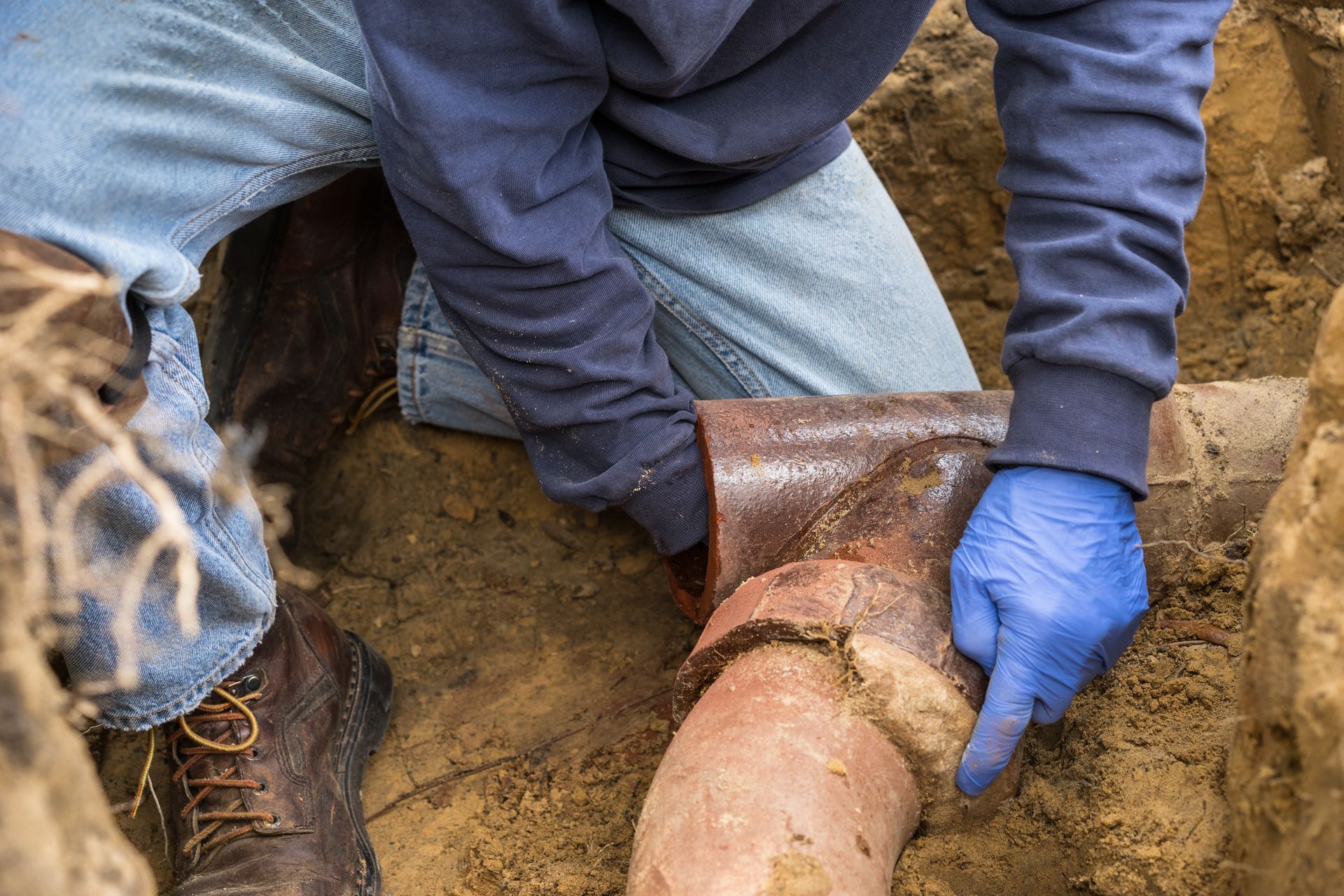
- Fine roots enter through small joint gaps in older clay and cast-iron lines
- Once inside, they grow into dense mats that catch grease and paper
- Dry spells make roots work harder to find water
Warning signs
- Gurgling drains or toilets
- Slow drains in more than one fixture
- A sewer smell in the yard or basement
- A lush, unusually green strip of lawn over your sewer line
What to do
- Don’t plant thirsty trees like willows, silver maples, or poplars near your sewer line
- Have your line camera-inspected if you have mature trees and an older home
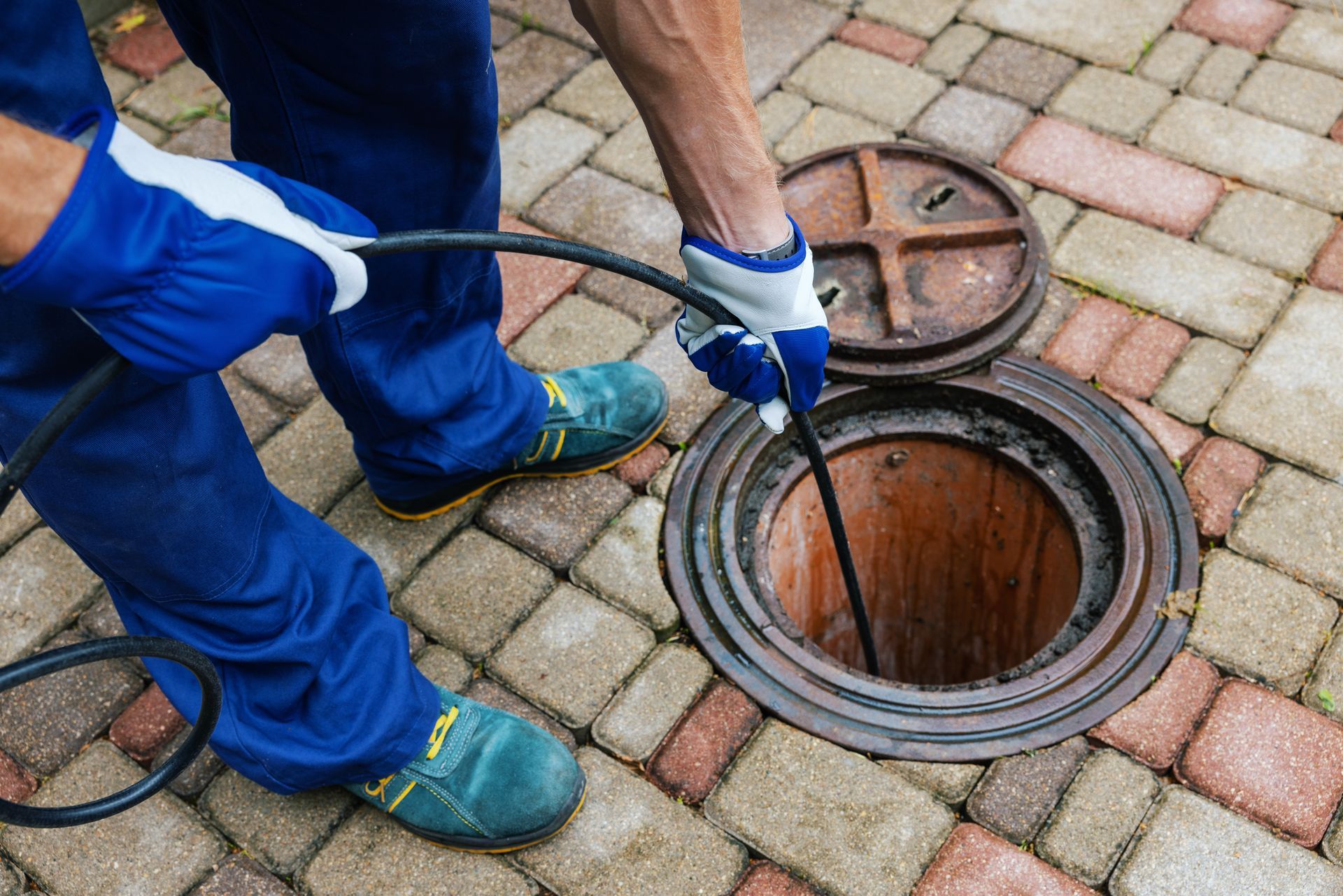
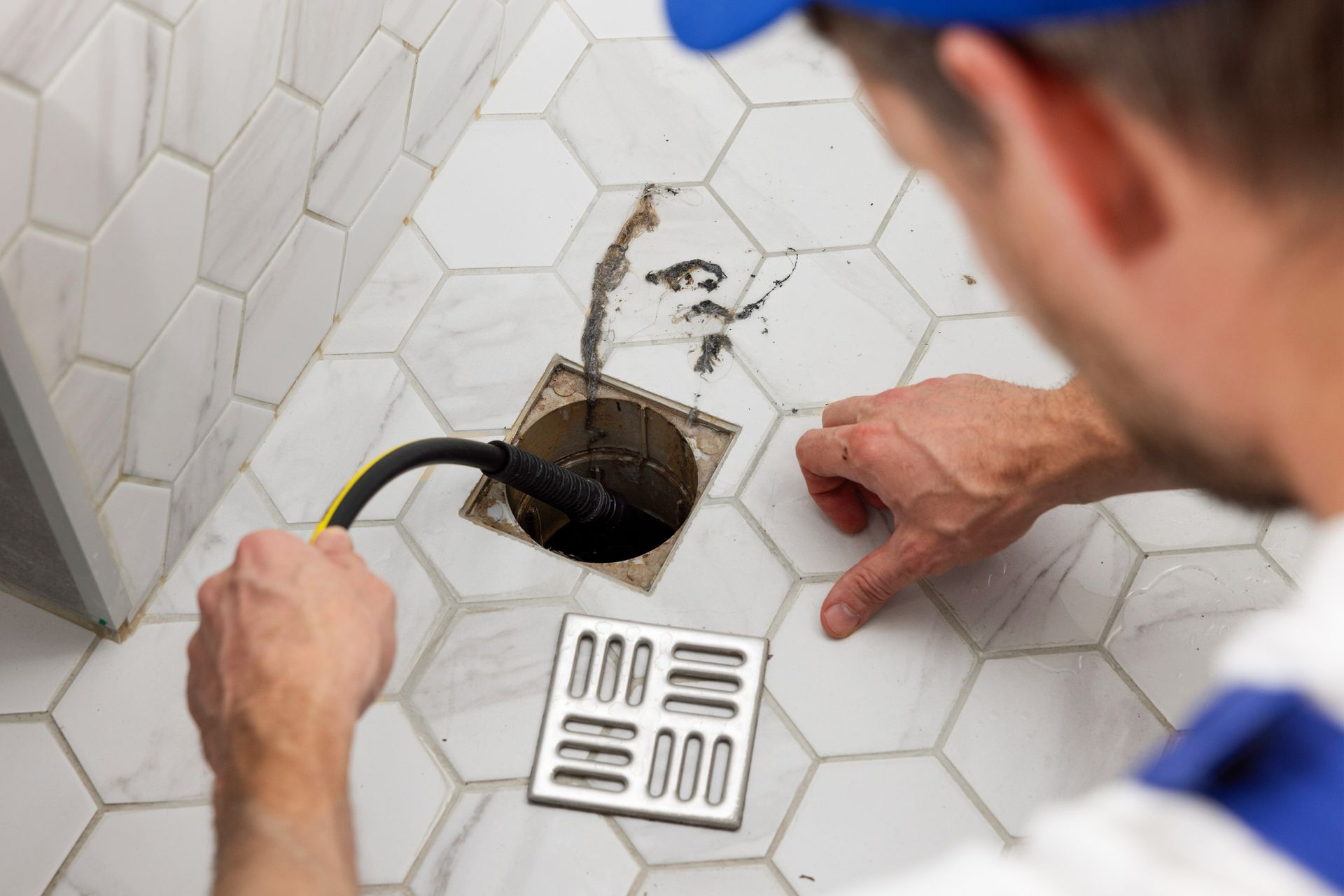
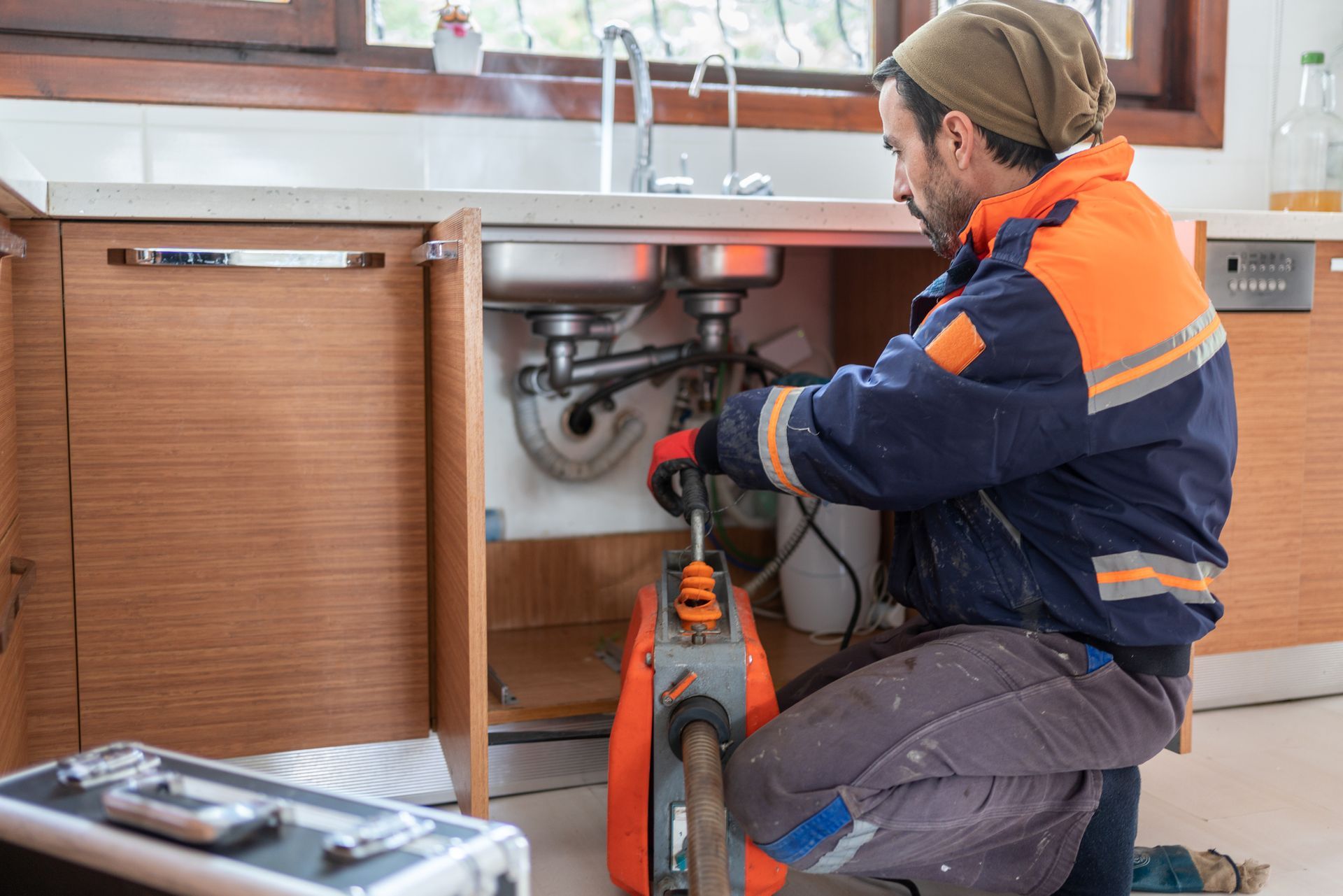
- If roots are present, hot-water jetting cuts them back and cleans the pipe walls. Heavy root growth may need regular maintenance cleaning
Summer septic note: Houseguests, extra laundry, and pool-season showers add to the load on your septic system. If you’re hosting a lot of people, space out laundry across the week.
Fall: Leaves, Debris, and Thanksgiving Grease (September–November)
Fall is the best time to get ahead of winter, and it’s also when kitchens get busy.
Yard and exterior
- Clear leaves from yard drains, window wells, and the area around cleanouts
- Make sure downspouts are clear and draining away from the foundation
- Cap or secure open cleanouts so debris can’t get in
Kitchen
The week of Thanksgiving is one of the busiest for kitchen drain clogs. Fats, oils, and greasy residue cool and harden inside pipes, and they build up over time.
- Pour cooled grease into a container and throw it in the trash, never down the drain
- Scrape plates before washing them
- Be careful with garbage disposals: potato peels, stringy vegetables, and rice swell and clog lines
- Don’t rely on “flushable” wipes. They don’t break down
A good fall move: If you’ve had slow drains all year, schedule a sewer cleaning now, before the holidays and before the ground freezes.
Winter: Freeze-Thaw and Old Pipes (December–February)
Peoria winters are hard on plumbing. A common myth is that your sewer line freezes solid. Underground sewer lines are normally buried below the frost line, so true freezing is uncommon. What winter more often causes is:
- Frozen exposed pipes such as supply lines in garages, crawl spaces, and exterior walls, which can burst and flood
- Freeze-thaw ground movement that can shift and crack older or already-weakened sewer pipe
- Frozen or blocked vent stacks, which can cause slow drains and gurgling
- Frozen condensate and discharge lines, including sump pump discharge, that can’t drain and cause water to back up
What to do
- Insulate exposed pipes and keep garage doors closed in extreme cold
- Let faucets drip on the coldest nights
- Make sure your sump pump discharge line isn’t frozen or blocked
- Know where your main water shutoff is
- If a drain is slow and the weather is bitter cold, call a professional rather than pouring in chemical drain cleaner, which is hard on older pipes and unsafe to leave sitting in a backed-up line
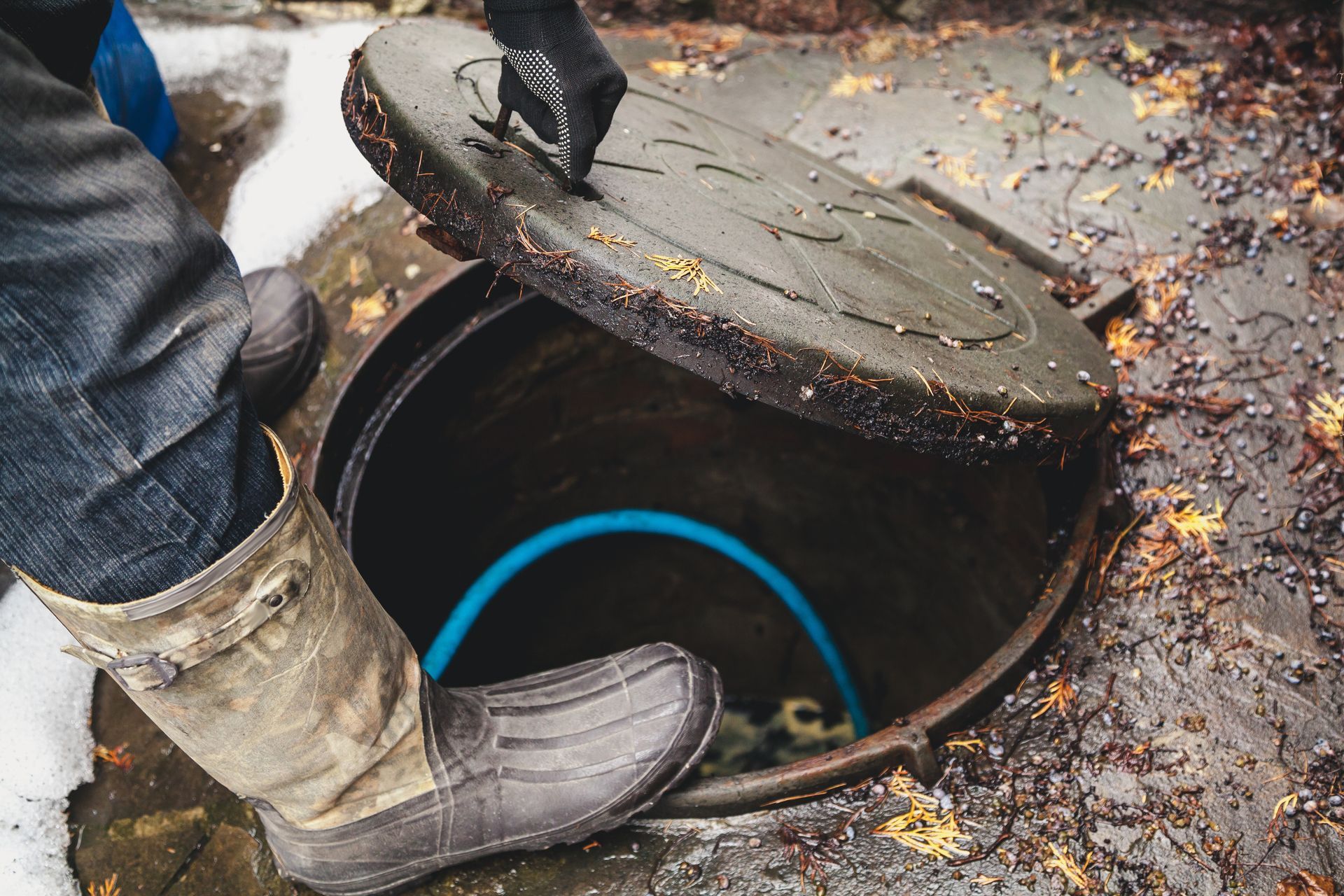
Septic in winter: Keep vehicles and equipment off the tank and drain field, and don’t remove the snow cover over the system, which acts as insulation. Fix leaky fixtures, since constant trickling can overload a system.
Seasonal Sewer FAQ
When is the best time to have a sewer line cleaned in Peoria?
Late fall or early spring is ideal. Cleaning in fall clears the line before winter and holiday cooking, and cleaning in early spring helps it handle heavy rain. If you have roots, a yearly or every-other-year schedule often makes sense.
Why does my basement drain back up when it rains?
Heavy rain can overload the sewer system or raise groundwater, pushing wastewater back into low drains. A partly blocked private line makes it worse. A camera inspection can tell you whether your line is part of the problem.
Can a sewer line freeze in Illinois?
It’s uncommon because sewer lines are buried below the frost line, but exposed pipes, vents, and discharge lines can freeze. Freeze-thaw movement can also damage already-cracked pipes.
Does hot weather cause sewer problems?
Indirectly. Summer growth makes tree roots more aggressive, and storms can trigger backups. Heat itself isn’t usually the cause.
What’s the biggest cause of clogs around Thanksgiving?
Grease and food waste in kitchen drains. Cooling fat hardens inside the pipe and builds up over time.
When to Call a Pro
Call us right away if you notice sewage coming up through drains, more than one slow drain at once, gurgling sounds, or sewer odors. These point to a main-line problem that won’t fix itself.
A&B Hunter Sewer Service is open 24/7.
📞
Peoria:
(309) 637-4338 |
Pekin:
(309) 346-7777
📍 3600 W Malone Ave, Peoria, IL 61605
We offer hot-water jetting, camera inspection, sewer backup response, septic cleaning, and grease trap service across the Peoria area, with discounts for seniors, military, and first responders.