
Heavy Haul Transport Permits: What You Need to Know

July 31, 2025

When it comes to heavy haul transport in Meridian, MS, understanding the permitting process is essential. Whether you're involved in heavy hauling transport in Meridian, MS, for construction, manufacturing, or logistics, navigating the legal requirements can be complex. With strict weight limits, dimensional restrictions, and route planning requirements, it’s important to stay compliant. This blog breaks down everything you need to know about obtaining the right permits, planning your routes, and avoiding costly violations—all while keeping your heavy equipment moving safely and efficiently.

What Is Heavy Haul Transport?

Heavy haul transport in Meridian, MS, refers to the movement of oversized or overweight loads that exceed standard legal limits. These include large machinery, industrial components, and prefabricated structures. Heavy hauling transport in Meridian, MS, typically involves specialized trailers, escort vehicles, and careful logistical coordination to ensure safety and regulatory compliance. Because of the high stakes and increased risks, permits are mandatory before initiating such moves.

Why Permits Are Necessary

Permits help ensure public safety, protect infrastructure, and regulate the timing and routing of oversized loads. Without proper permits for heavy hauling transport in Meridian, MS, you risk fines, delays, or having your load removed from the road entirely. Mississippi requires both state and local permits for heavy haul operations, which vary depending on the weight, height, width, and length of your load. In Meridian, MS, local road restrictions and infrastructure considerations make it especially important to obtain the correct authorizations.

Types of Permits Required

For heavy haul transport in Meridian, MS, several types of permits may be required depending on your cargo:

  • Single Trip Permit: For a one-time haul with specific details.
  • Annual or Blanket Permit: Ideal for companies making multiple hauls with similar load specs.
  • Superload Permit: For cargo that exceeds extreme dimensions or weights beyond standard permits.
  • Special Route Permit: Issued when a load must avoid certain roads, bridges, or construction zones.

Your hauling partner or a permit service consultant can help determine which combination of permits applies to your load.

Key Considerations for Meridian, MS Routes

Route planning for heavy hauling transport in Meridian, MS, is more than just picking the shortest path. It involves:

  • Checking bridge weight limits and road classifications.
  • Coordinating with local authorities for traffic management.
  • Scheduling escort vehicles and flaggers as required.
  • Avoiding school zones, high-traffic areas, and construction sites during restricted hours.

Cullum Construction and other experienced transport providers often work with local agencies to ensure compliance and safety every step of the way.

Who Is Responsible for Securing Permits?

Depending on the operation, responsibility may lie with the trucking company, freight broker, or permit consultant. If you’re managing a construction or engineering project in Meridian, be sure your contractors or fleet managers are coordinating with experts in heavy haul transport in Meridian, MS, to avoid oversights. Cullum Construction offers logistical support, ensuring all the necessary permits and clearances are in place before a single wheel turns.

Common Mistakes and How to Avoid Them

Navigating the rules for heavy hauling transport in Meridian, MS, can be confusing. Here are some mistakes to avoid:

  • Incorrect load measurements: Always double-check the height, width, and weight.
  • Skipping route planning: Assumptions about “usual routes” can result in violations.
  • Failing to secure escorts: Some loads require one or more pilot vehicles—failing to arrange these leads to fines.
  • Last-minute applications: Permit processing takes time. Apply early to stay on schedule.

Working with local experts in heavy haul transport in Meridian, MS, can help prevent these common pitfalls.

Tips for a Smooth Permitting Process

For businesses relying on heavy hauling transport in Meridian, MS, preparation is everything. Use these tips for a smooth operation:

  • Partner with a permit service that understands local regulations.
  • Keep your equipment and vehicle documentation up to date.
  • Maintain communication with city and county officials.
  • Factor permit costs and waiting times into your project timeline.

Having a plan—and a trusted partner—can make a major difference in efficiency and legal compliance.

Why Local Knowledge Matters

Heavy haul transport in Meridian, MS, presents unique challenges that out-of-town haulers may not anticipate. From road restrictions to weather patterns, having a team that knows the area ensures a safer, faster move. Local permitting agencies appreciate working with companies like Cullum Construction that have a proven track record of compliance and professionalism. Don’t rely on guesswork—trust experience.
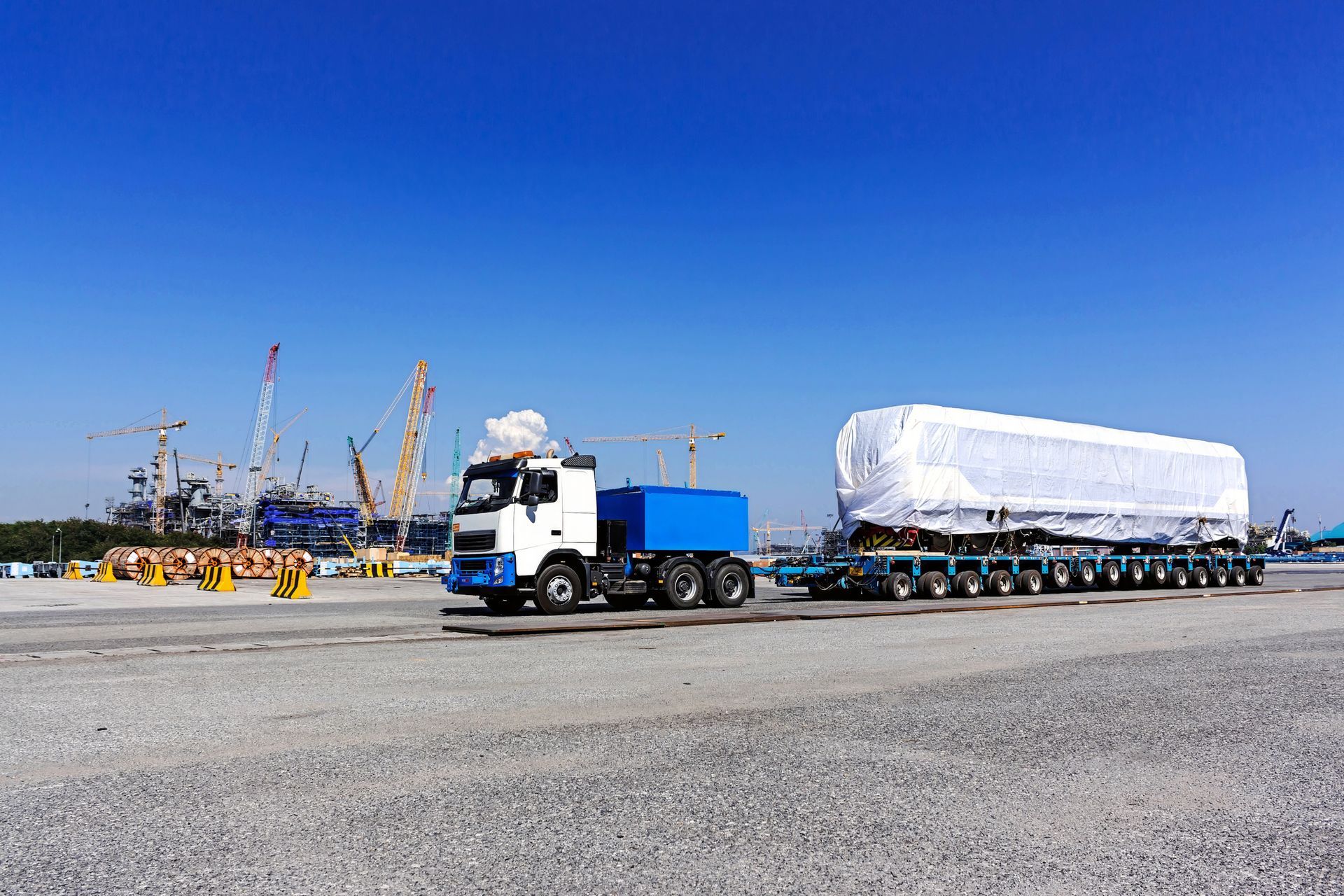
Covered cargo truck at industrial yard with crane in background.

Call the Local Experts

When it comes to heavy haul transport in Meridian, MS, you need more than just trucks—you need knowledge, permits, and a reliable local team. Whether you're transporting oversized equipment for a construction project or coordinating logistics for a large-scale delivery, Cullum Construction can help. We specialize in heavy hauling transport in Meridian, MS, ensuring your loads stay on track and within the law.

Contact Cullum Construction today at (601) 350-0145 to schedule your heavy haul project and get expert support with permits, planning, and safe execution.
November 16, 2026
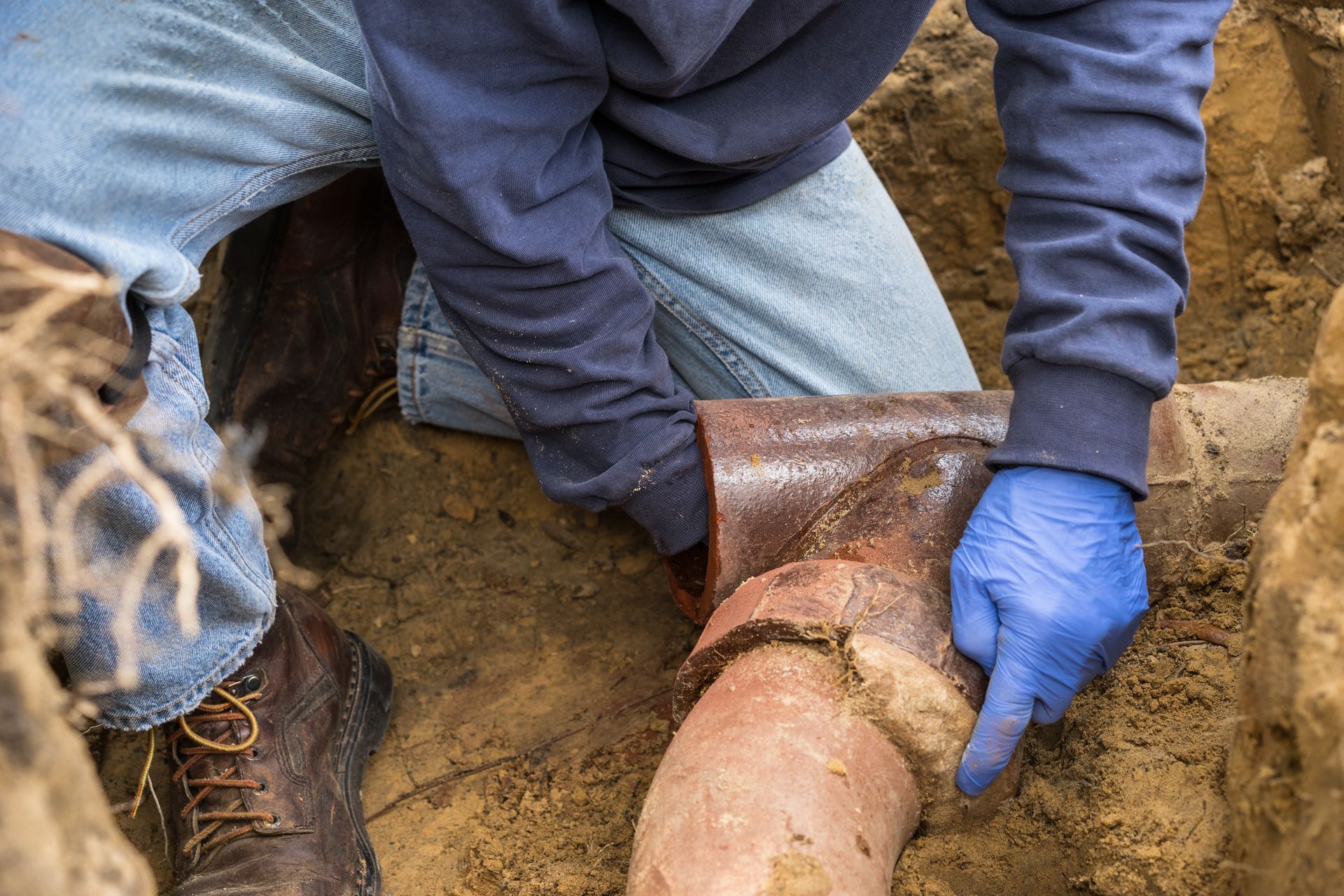
Short answer: Central Illinois weather puts different stress on your sewer line each season. Spring rain can overload sewers and cause basement backups. Summer growth drives tree roots into pipes. Fall leaves and holiday cooking add debris and grease. Winter freeze-thaw cycles stress older pipes and exposed plumbing. A seasonal checklist and one well-timed professional cleaning can prevent most emergencies. At A&B Hunter Sewer Service, we’ve been clearing lines across Peoria, Pekin, East Peoria, and Morton since 1957, and we see the same patterns every year. Here’s what to expect and what to do about it. Spring: Heavy Rain and Basement Backups (March–May) Spring in Peoria means saturated ground and strong storms. When the soil is full of water and the sewer system takes in more flow than usual, some homes see wastewater come up through basement floor drains, showers, or toilets. What’s happening Heavy rain increases flow in the public sewer system, which can push back into lower-level drains Saturated soil leaks groundwater into cracked or deteriorated older lines A line partly blocked by roots or grease is much more likely to back up under that extra load What to do Test your sump pump before the rainy season by pouring a bucket of water into the pit and confirming it kicks on and discharges away from the house Check where your downspouts and sump discharge go. Roof and foundation water shouldn’t be connected to the sanitary sewer Keep floor drains clear and know where your main cleanout is Ask about a backwater valve if you’ve backed up during storms before Who’s responsible in Peoria? The Greater Peoria Sanitary District maintains the public sewer mains in the city, and the homeowner is responsible for the private line from the house to the main. GPSD will inspect the public sewer serving your property at no cost, which tells you which side the problem is on. The City of Peoria has also offered programs to help qualifying homeowners with backup prevention, so ask before paying for a valve out of pocket. Summer: Roots on the Hunt for Water (June–August) Trees and shrubs grow fastest in summer, and roots look for moisture and nutrients. A sewer line, even one with a tiny crack or loose joint, is a reliable source of both. What’s happening Fine roots enter through small joint gaps in older clay and cast-iron lines Once inside, they grow into dense mats that catch grease and paper Dry spells make roots work harder to find water Warning signs Gurgling drains or toilets Slow drains in more than one fixture A sewer smell in the yard or basement A lush, unusually green strip of lawn over your sewer line What to do Don’t plant thirsty trees like willows, silver maples, or poplars near your sewer line Have your line camera-inspected if you have mature trees and an older home If roots are present, hot-water jetting cuts them back and cleans the pipe walls. Heavy root growth may need regular maintenance cleaning Summer septic note: Houseguests, extra laundry, and pool-season showers add to the load on your septic system. If you’re hosting a lot of people, space out laundry across the week. Fall: Leaves, Debris, and Thanksgiving Grease (September–November) Fall is the best time to get ahead of winter, and it’s also when kitchens get busy. Yard and exterior Clear leaves from yard drains, window wells, and the area around cleanouts Make sure downspouts are clear and draining away from the foundation Cap or secure open cleanouts so debris can’t get in Kitchen The week of Thanksgiving is one of the busiest for kitchen drain clogs. Fats, oils, and greasy residue cool and harden inside pipes, and they build up over time. Pour cooled grease into a container and throw it in the trash, never down the drain Scrape plates before washing them Be careful with garbage disposals: potato peels, stringy vegetables, and rice swell and clog lines Don’t rely on “flushable” wipes. They don’t break down A good fall move: If you’ve had slow drains all year, schedule a sewer cleaning now, before the holidays and before the ground freezes. Winter: Freeze-Thaw and Old Pipes (December–February) Peoria winters are hard on plumbing. A common myth is that your sewer line freezes solid. Underground sewer lines are normally buried below the frost line, so true freezing is uncommon. What winter more often causes is: Frozen exposed pipes such as supply lines in garages, crawl spaces, and exterior walls, which can burst and flood Freeze-thaw ground movement that can shift and crack older or already-weakened sewer pipe Frozen or blocked vent stacks , which can cause slow drains and gurgling Frozen condensate and discharge lines , including sump pump discharge, that can’t drain and cause water to back up What to do Insulate exposed pipes and keep garage doors closed in extreme cold Let faucets drip on the coldest nights Make sure your sump pump discharge line isn’t frozen or blocked Know where your main water shutoff is If a drain is slow and the weather is bitter cold, call a professional rather than pouring in chemical drain cleaner, which is hard on older pipes and unsafe to leave sitting in a backed-up line Septic in winter: Keep vehicles and equipment off the tank and drain field, and don’t remove the snow cover over the system, which acts as insulation. Fix leaky fixtures, since constant trickling can overload a system.
Worker repairing a damaged underground sewer pipe in a trench.
August 3, 2026
Learn who's responsible for a sewer backup in Peoria, IL. A & B Hunter Sewer Service Co explains GPSD vs. homeowner liability. Call for fast, local help.
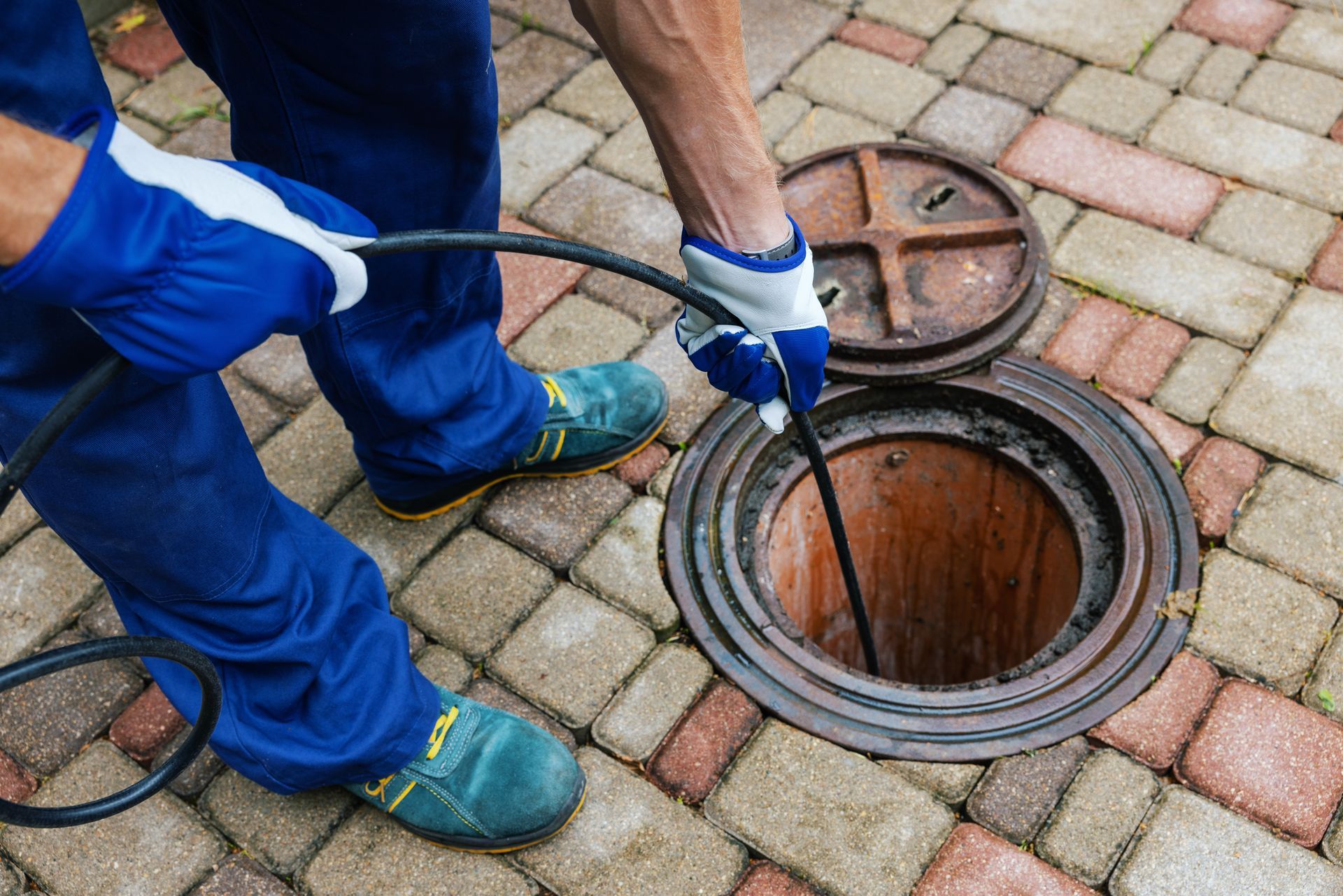
Technician using a drain-cleaning cable through an open manhole, clearing blockages.
August 3, 2026
Learn what causes a sewer backup in East Peoria, IL, & how to prevent one. Serving Peoria, IL, A & B Hunter Sewer Service Co offers 24/7 help. Call today!
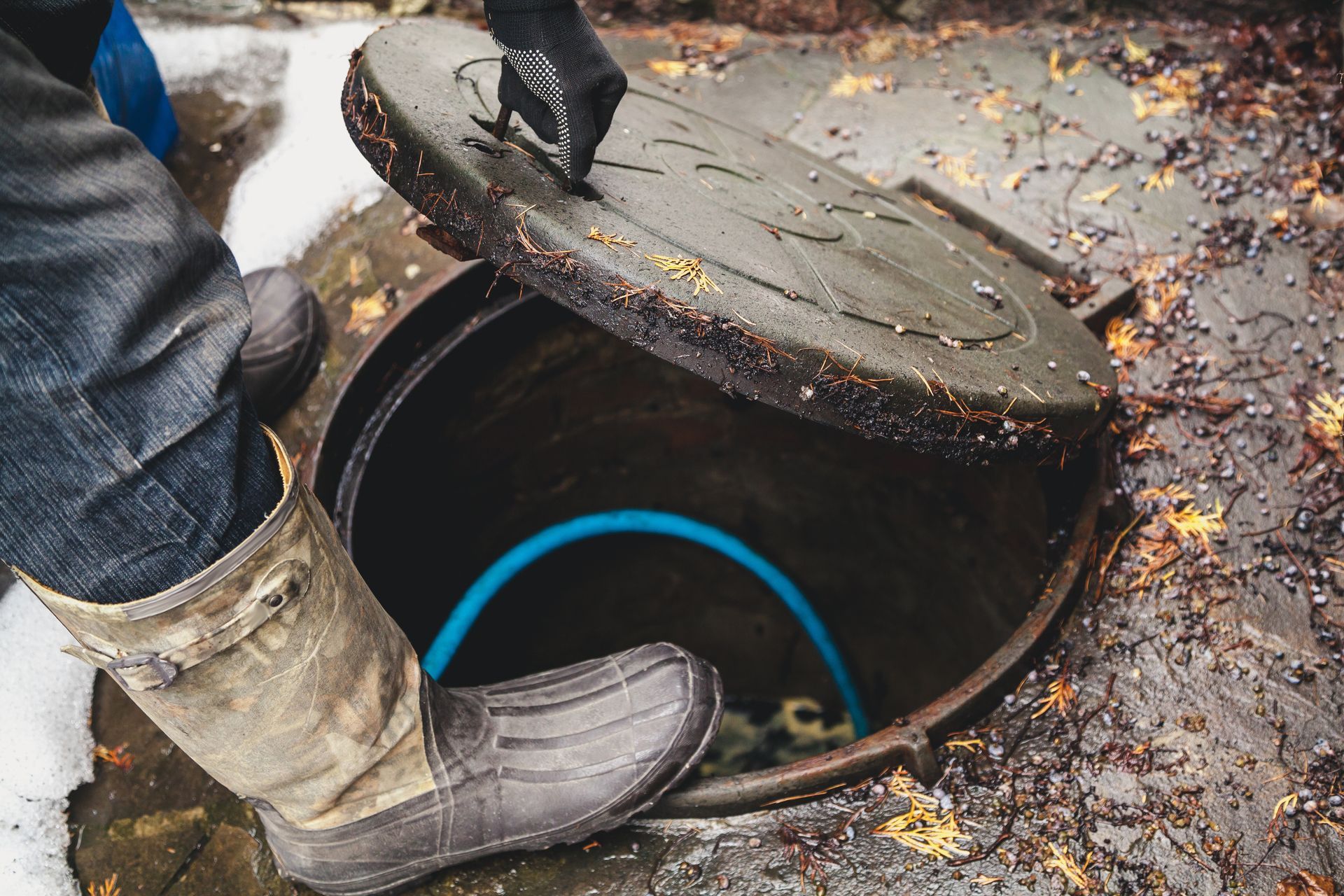
hand opens sewer hatch in yard.
July 8, 2026
Learn what causes a sewer backup in East Peoria, IL. A & B Hunter Sewer Service Co offers expert diagnosis and fast repairs. Call today for reliable service.
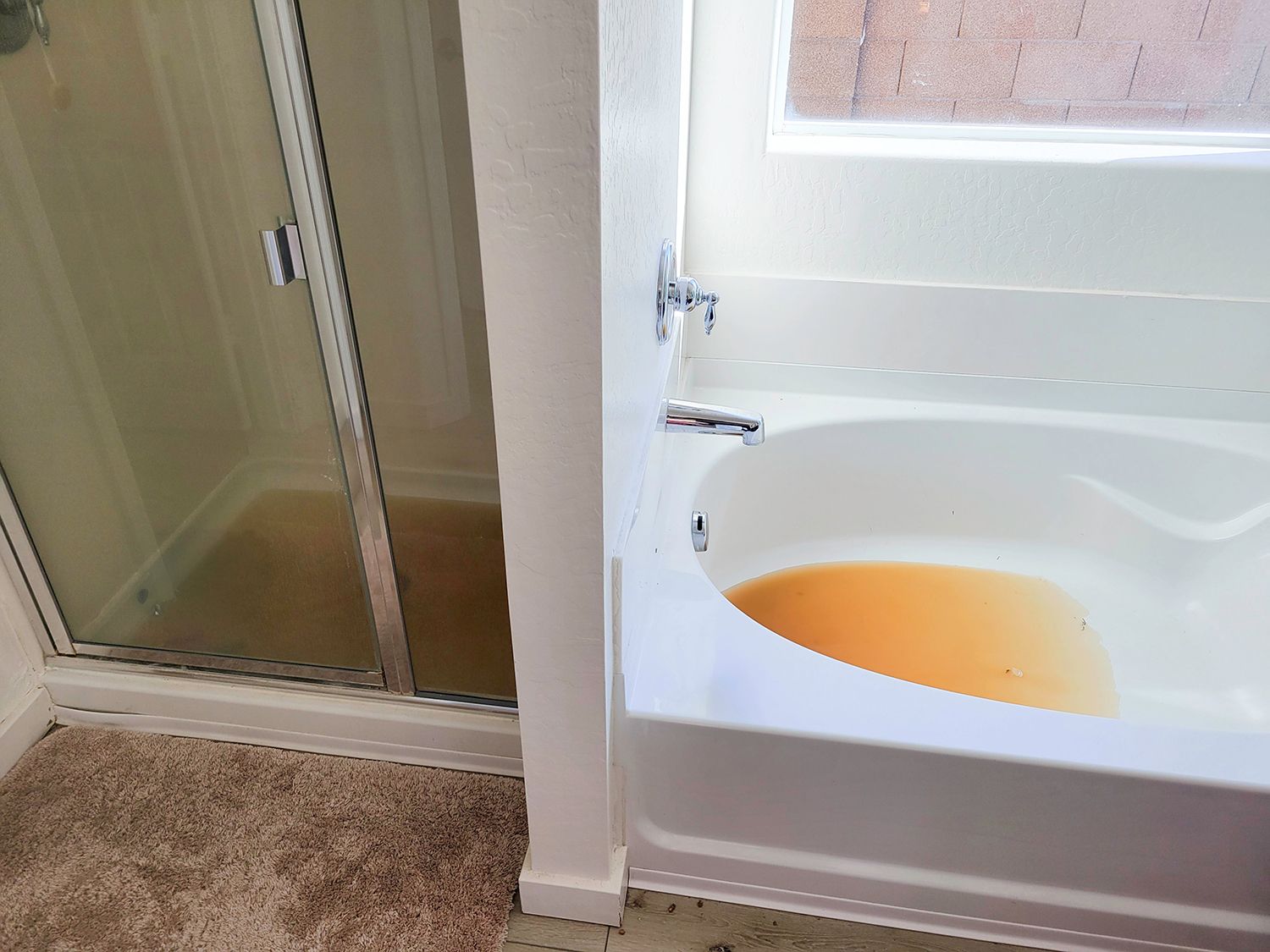
Bathtub filled with murky water beside a shower enclosure, showing signs of a drainage issue.
March 26, 2026
Discover causes of sewer backup and how to prevent it with A & B Hunter Sewer Service Co. in East Peoria. Call 309-637-4338 or click here to learn more.
A worker unclogging a blocked shower drain with hydro jetting.
October 16, 2025
Discover key preventative tips from drain cleaning services experts for Pekin, IL. Click here to keep your drains flowing with A & B Hunter Sewer Service Co.
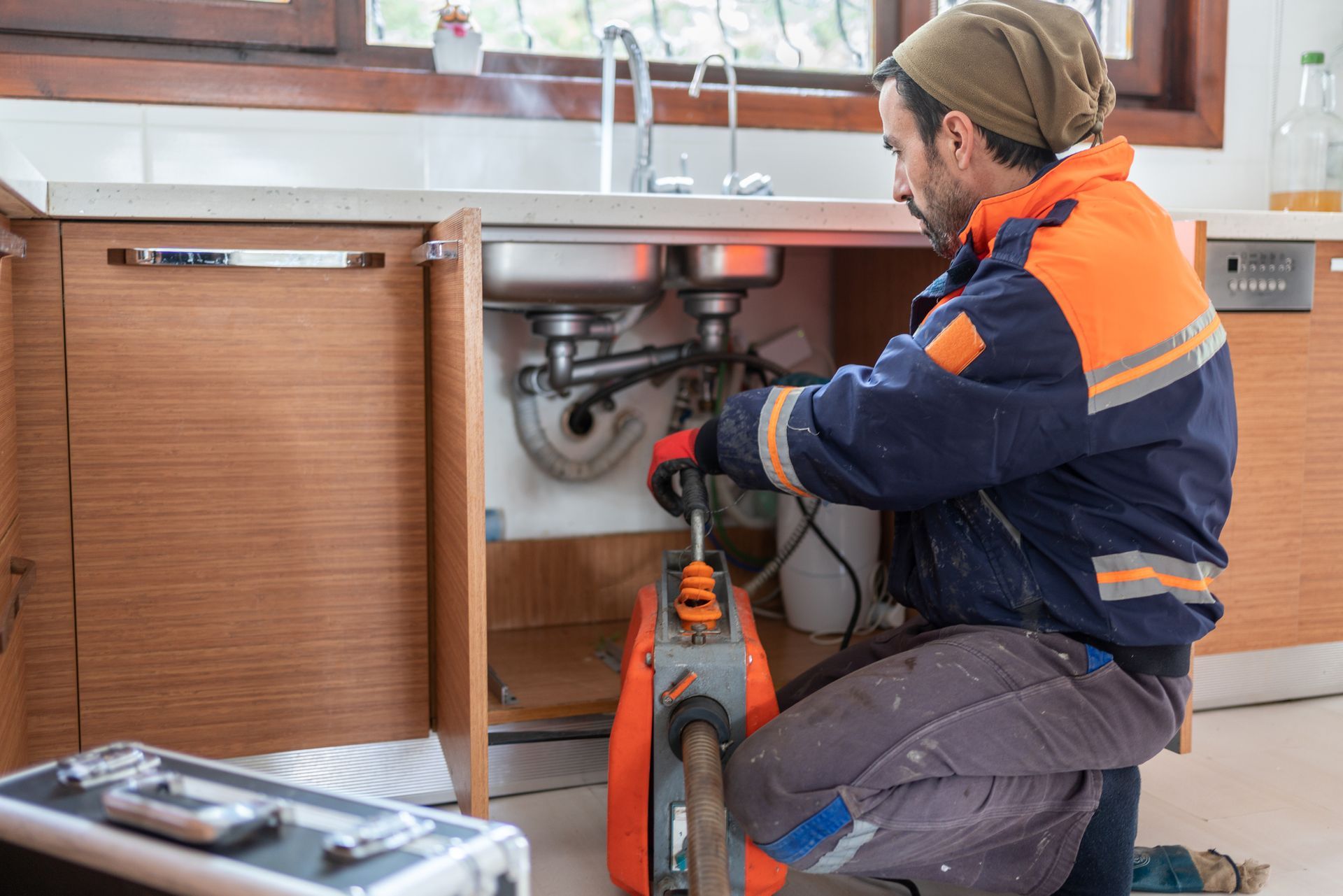
Image of a plumber unclogging a kitchen sink drain with the pipe cleaning machine.
June 18, 2025
Protect your home and avoid costly repairs with A & B Hunter Sewer Service Co.'s drain cleaning services in Pekin, IL. Call (309) 637-4338 today!
A person looking at a pipe | Hunter Sewer Service | Drain Cleaning Services Pekin Il
February 7, 2025
Discover the top indicators that it's time to call for drain cleaning services in Pekin, IL and avoid bigger plumbing issues. Hunter Sewer Service offers professional drain cleaning services to help you maintain clear drains.
A monochrome photo of a sink drain, representing drain cleaning services available in Pekin, IL.
November 13, 2024
Learn how drain cleaning services in Pekin, IL can prevent future plumbing issues and save you time and money. Contact A & B Hunter Sewer Service Co at (309) 346-7777.